
Blog
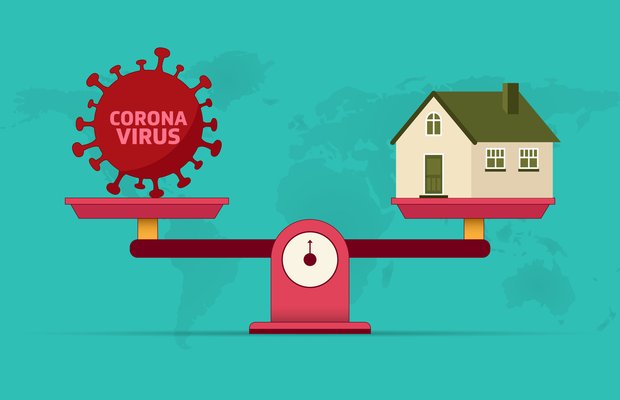
COVID-19 & Residential Tenancy Law in Toronto
COVID-19 has quickly circled the globe and is causing havoc across the planet. The flu spread through China, Europe and now has hit the United States. Here in Canada, the virus has started to spread in several provinces, and non-essential businesses have begun to shut their doors. Employment insurance applications are in the millions, and hundreds of thousands of Canadians are already facing down rent and bills they might not be able to pay.

Know Your Rights as a Landlord in Ontario
Real estate has long held a reputation as being a prime investment vehicle, with rental properties serving as a key subsidiary within the investment class. But when people contemplate purchasing real estate as a rental property, they often hear horror stories involving renters who fail to pay the rent, refuse to be evicted, cause extensive damages, or otherwise create assorted problems for their landlords.
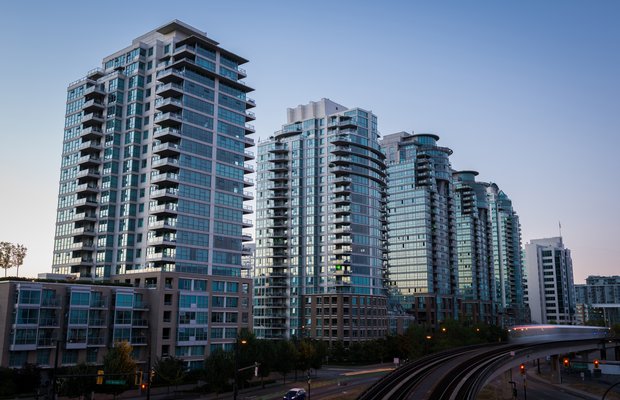
Condominium Types
Condo construction continues to explode in Ontario’s major cities like Toronto, Ottawa and Hamilton, as rising downtown populations force more vertical development. While apartment building-style residences remain the most numerous condominium type, there are actually a variety of different formats recognized under Ontario’s 1998 Condominium Act. In this article, we’ll be walking prospective owners through the different condominium types available in the province to give you a better idea of each one’s characteristics, and the legal obligations involved in ownership.

What Landlords Need to Know about the New Marijuana Laws
As of October 17, 2018, the possession, sale and consumption of marijuana was legalized in Canada. In most provinces, it is legal to grow up to four plants per residence and smoke marijuana at home. But what are the implications for landlords? Hydroponics is an expensive business. Who will foot the bill?

Strict Regulations in Toronto for Long-term Rental Units
Toronto’s City Council has successfully come to terms on a list of new rules and regulations that will crack down on short-term rentals. Within the last year short term rental units have tripled due to services like Airbnb. The proposed regulations will restrict a short term rental listing to the renter’s principal residence and ban homeowners from listing secondary suites such as a basement apartment.

How LDDC Lawyers Can Assist Condo Boards With Legal Issues
Condominium living has risen significantly in Canada over the last few years. In fact, according to the 2016 census, condos represent one-third of dwellings built in Canada in the previous five years. Since the 80s, the prevalence of condo living has risen steadily and is...

What Are Your Rights When Your Parents Purchased Your Condo?
You’d be surprised at how often issues of ownership crop up around condos that were purchased for a child by their parents. A main related issue involves the question of whether parents can legally take back a condo after purchasing it for their son or daughter...

What to Know About Terminating a Residential Tenancy Due to Demolition, Conversion, Substantial Repair & Renovation
For various reasons, landlords may decide to demolish, convert, repair, or renovate their property. In these cases, landlords will require vacant possession before beginning construction, and this may necessitate terminating residency for current tenants. It is crucial to follow the law where termination of residency...
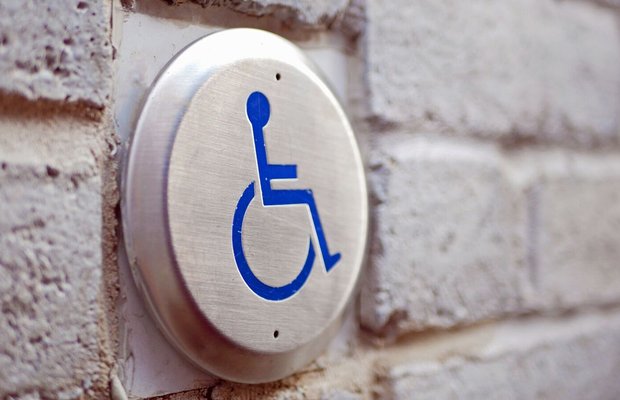
What Medical Evidence Is Required When a Resident Requests Disability Accommodations?
Condominiums in Toronto are required by law to accommodate individuals with disabilities. According to the Policy on Ableism and Discrimination Based on Disability, Ontario’s Human Rights Code “protects people with disabilities from discrimination and harassment under the ground of ‘disability’ … in housing, including private rental housing,...